Why Are Lab Reports Important?
A lab report, also known as a Certificate of Analysis (COA), provides independent test results for a specific product or batch.
For THCA, CBD and other cannabinoid products, third-party laboratory testing helps verify the measured cannabinoid content instead of relying only on information provided by the seller.
Verifying THCA and THC Levels
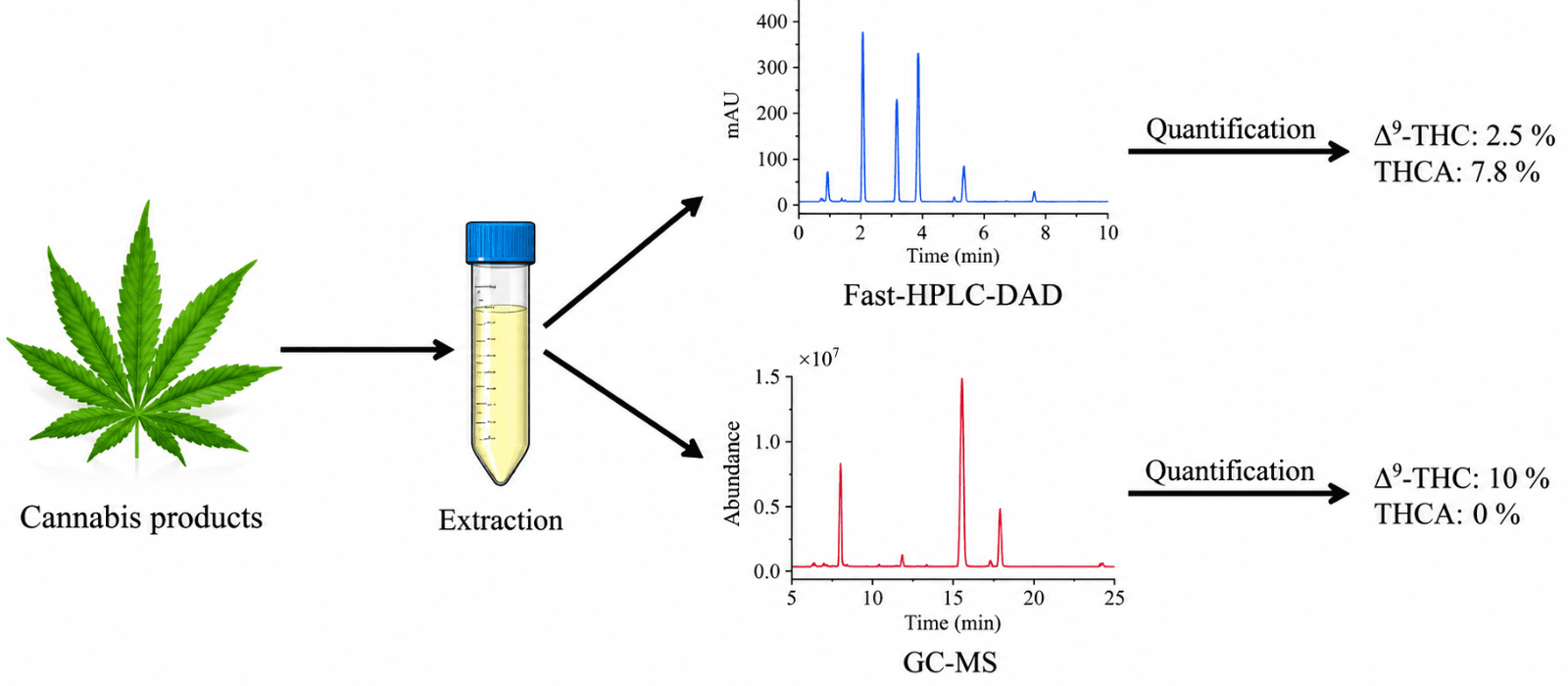
One of the most important parts of a cannabinoid lab report is the potency analysis.
A COA can show measured levels of cannabinoids such as:
THCA
Delta 9 THC
CBD
CBG
CBN
CBC
This makes it possible to compare the advertised potency with the laboratory results and understand the product's wider cannabinoid profile.
Why Delta 9 THC Testing Matters
THCA and delta 9 THC are separate cannabinoids and are normally reported individually in laboratory analysis.
This distinction is especially important for products such as THCA Flowers, THCA Hash, THCA Pre Rolls and THCA Extracts, where THCA concentrations may be high while measured delta 9 THC levels are considerably lower.
A laboratory report provides the actual measured values for the tested sample.
What Is Third-Party Lab Testing?
Third-party testing means the product is analysed by an independent laboratory rather than relying solely on the seller's own specifications.
This provides an additional level of transparency and allows customers to review laboratory data for the tested batch.
The report should ideally include information such as the product name, batch or sample ID, test date and cannabinoid results.
Does Lab Testing Verify Everything?
Not always.
A cannabinoid potency analysis verifies the cannabinoids included in that specific test. Testing for pesticides, heavy metals, residual solvents or microorganisms may require additional analyses.
For this reason, always check which tests are actually included in the COA.
Conclusion
Lab reports matter because they provide independent data about cannabinoid content and potency.
For THCA and CBD products, a COA makes it easier to verify THCA, delta 9 THC, CBD and other cannabinoid levels and compare them with the product information.