What Is the Difference Between THCA and THC?
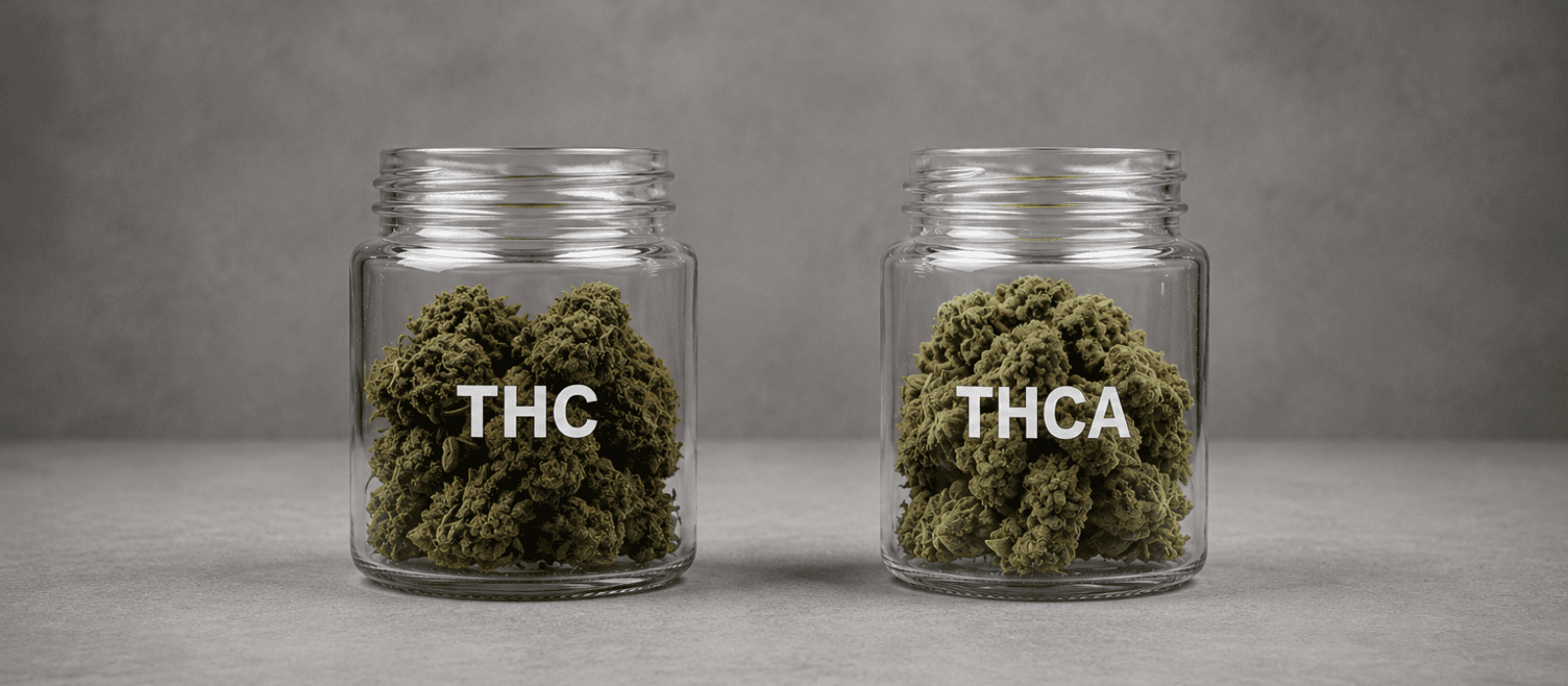
THCA and THC are two closely related cannabinoids found in cannabis, but they are not the same compound. THCA, or tetrahydrocannabinolic acid, is the acidic precursor to THC, while delta 9 THC is the cannabinoid commonly associated with the psychoactive effects of cannabis.
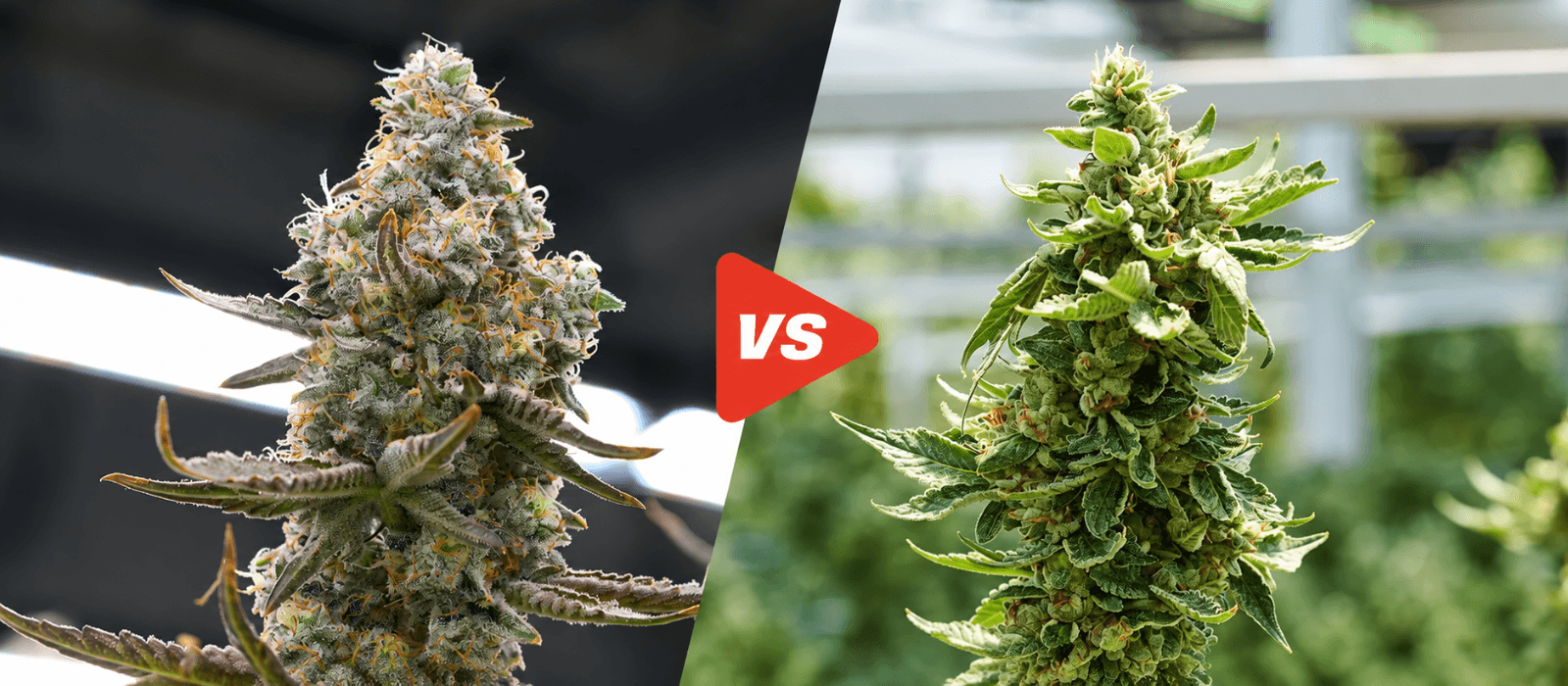
THCA occurs naturally in fresh and raw cannabis flowers. As the cannabis plant develops, cannabinoids are primarily produced in acidic forms such as THCA and CBDA. This is why raw THCA flowers and THCA buds can contain high concentrations of THCA while containing much smaller amounts of delta 9 THC.
The most important difference in the THCA vs THC comparison is what happens when THCA is exposed to heat.
What Is THCA?
THCA stands for tetrahydrocannabinolic acid. It is a naturally occurring cannabinoid found in cannabis and hemp flowers before the material is heated.
THCA is commonly found in THCA Buds, THCA Flowers, THCA Hash and THCA Extracts. The concentration can vary considerably depending on the cannabis genetics, cultivation, processing and final product.
Unlike delta 9 THC, THCA in its raw form is generally described as non-intoxicating. However, its chemical structure can change when sufficient heat is applied.
What Is THC?
THC usually refers to delta 9 tetrahydrocannabinol, one of the best-known cannabinoids in cannabis. THC interacts with cannabinoid receptors in the body and is primarily responsible for the intoxicating effects associated with traditional cannabis.
Cannabis can contain some delta 9 THC naturally, but considerably more can be formed when THCA undergoes decarboxylation.
This relationship between the two molecules is why THCA and THC should not be treated as completely unrelated cannabinoids.
How Does THCA Convert Into THC?
When THCA is exposed to sufficient heat, it undergoes a chemical process known as decarboxylation. During this process, THCA loses a carboxyl group and is converted into THC.
This can happen when cannabis is heated, smoked, vaporised or processed at sufficiently high temperatures.
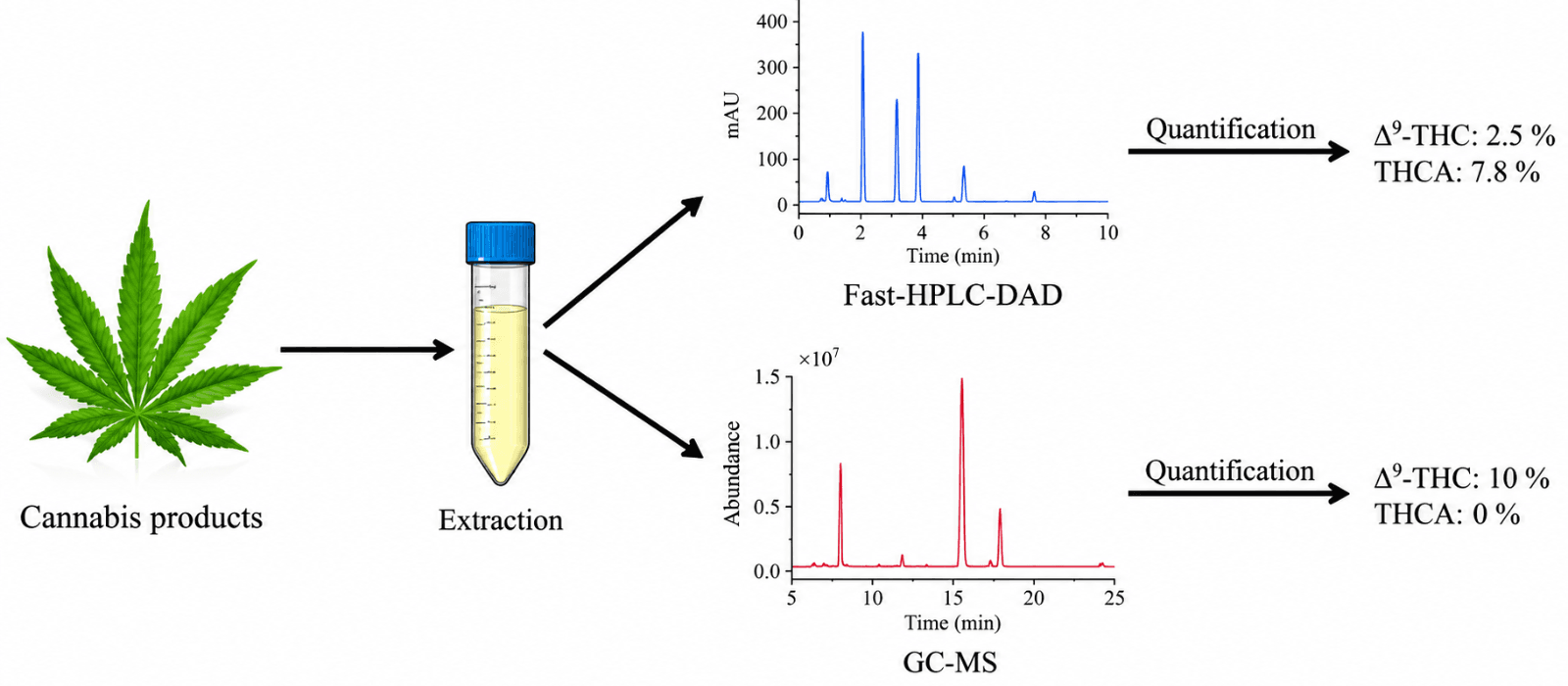
A THCA product can therefore have one cannabinoid profile in its raw state and a different profile after heating. This conversion is one of the most important things to understand when comparing THCA vs THC.
THCA vs THC: Chemical Difference
The molecular structures of THCA and THC are closely related, but THCA contains an additional carboxyl group. This difference affects how the molecule interacts with the body.
The conversion also means that the THCA percentage cannot simply be added directly to the THC percentage when estimating potential total THC after decarboxylation. Laboratories commonly account for the difference in molecular weight when calculating Total THC.
A commonly used calculation is:
Total THC = Δ9 THC + (THCA × 0.877)
This is why cannabinoid laboratory reports may list THCA, delta 9 THC and Total THC separately.
THCA Flowers, Hash and Extracts
THCA is available in several cannabis product formats.
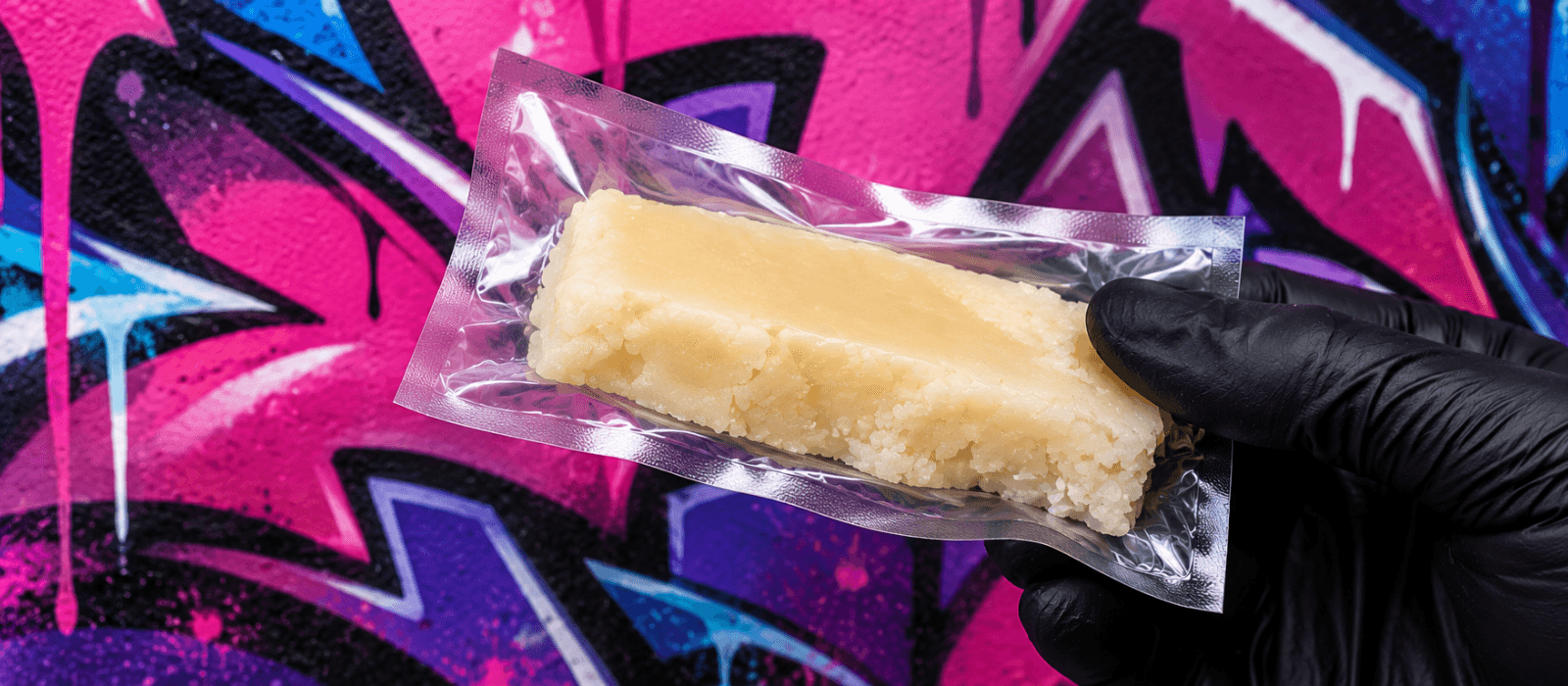
THCA Flowers and THCA Buds contain naturally occurring cannabinoids and terpenes in flower form. THCA Hash contains concentrated resinous cannabis material, while THCA Extracts and concentrates can contain substantially higher cannabinoid concentrations.
THCA Pre Rolls are another flower-based format. Regardless of format, laboratory analysis is important for understanding how much THCA, delta 9 THC and other cannabinoids are actually present in a product.
Products made from EU-certified industrial hemp may also contain several naturally occurring cannabinoids, including CBD, CBDA, CBG, CBGA and CBC alongside THCA.
Is THCA the Same as THC?
No. THCA and THC are chemically distinct cannabinoids.
THCA is the acidic precursor to THC, while delta 9 THC is the decarboxylated molecule. The two therefore have different molecular structures and properties.
However, saying that THCA is completely separate from THC can also be misleading because THCA can convert into THC when heated. Both the original cannabinoid profile and its potential conversion are therefore relevant when evaluating a THCA cannabis product.
THCA vs THC and Cannabis Laws
The legal distinction between THCA and THC can be more complicated than the chemical distinction.
Cannabis and cannabinoid laws vary between European countries, and authorities may consider delta 9 THC, THCA, potential THC or Total THC differently depending on the product and jurisdiction.
Industrial hemp rules should also not automatically be interpreted as rules for every finished cannabinoid product. A hemp variety being permitted for agricultural cultivation does not necessarily mean every product manufactured from that hemp is automatically legal to sell in every European country.
Consumers and businesses should therefore check the rules applicable to the specific product and country rather than relying only on the THCA percentage.
Why Laboratory Testing Matters for THCA
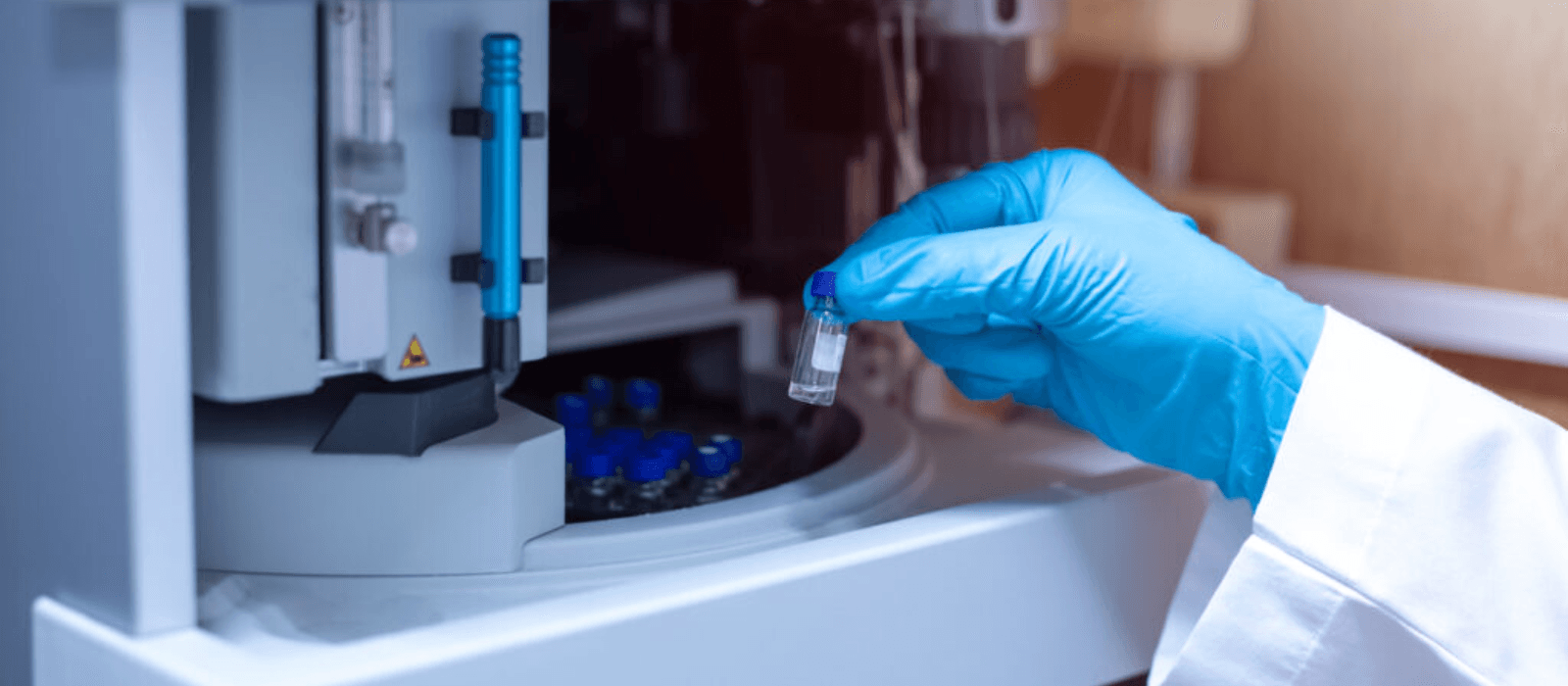
Laboratory testing is particularly important for THCA cannabis because product names alone do not show the complete cannabinoid composition.
A cannabinoid analysis can identify the measured concentrations of THCA, delta 9 THC, CBD, CBDA, CBG, CBN, CBC and other cannabinoids present above the laboratory's reporting limits.
This makes it possible to distinguish between the advertised THCA concentration and the actual laboratory measured cannabinoid profile.
For consumers comparing THCA Buds, THCA Hash, THCA Extracts and other cannabis products, a current laboratory report provides considerably more useful information than cannabinoid claims alone.
Conclusion
The main difference between THCA and THC is that THCA is the acidic precursor naturally present in raw cannabis, while delta 9 THC is the decarboxylated cannabinoid commonly associated with intoxicating cannabis.
THCA can convert into THC through heat, making decarboxylation an essential part of understanding the relationship between the two cannabinoids.
Whether you are comparing THCA Flowers, THCA Buds, THCA Hash, THCA Extracts or industrial hemp products, understanding THCA, delta 9 THC and Total THC makes cannabinoid laboratory reports and cannabis products easier to evaluate.