What Is Legal Cannabis in Europe?
Legal cannabis in Europe is a growing category that includes different types of cannabis and hemp products that meet applicable European requirements. One of the most important areas is industrial hemp, a form of Cannabis sativa L. that is cultivated primarily for industrial purposes.
The European Commission describes hemp as a crop with very low THC content that is mainly grown for industrial uses. Hemp that complies with the Common Agricultural Policy is not used to produce narcotic drugs because of its very low THC level.
The European hemp industry has also grown significantly. Hemp fibre cultivation increased from around 20,540 hectares in 2015 to 33,020 hectares in 2022, demonstrating the increasing importance of hemp production across Europe.
Industrial Hemp in Europe
Industrial hemp is used in many different industries. Hemp fibre can be used for textiles, construction materials, paper and insulation, while hemp seeds are used for food and animal feed.
Hemp is also considered an interesting sustainable crop. According to the European Commission, hemp can contribute to soil protection, biodiversity and carbon storage, while its rapid growth can help reduce the need for certain pesticides.
France is currently the largest producer of hemp in the European Union, followed by Germany and the Netherlands. This makes Europe an important centre for modern hemp cultivation and hemp based industries.
The European THC Limit
One of the most important points when discussing legal cannabis in Europe is the THC limit for qualifying industrial hemp. Under the current EU agricultural framework, qualifying hemp varieties must have a THC content below 0.3 percent.
The European Commission states that raw true hemp under CN code 5302 10 must not exceed 0.3 percent THC, while hemp varieties grown under the CAP must also meet the 0.3 percent requirement.
The often mentioned 0.2 percent figure is therefore outdated as the general EU agricultural threshold. The current EU framework uses 0.3 percent for qualifying hemp cultivation.
What Is THCA and Why Is It Important?
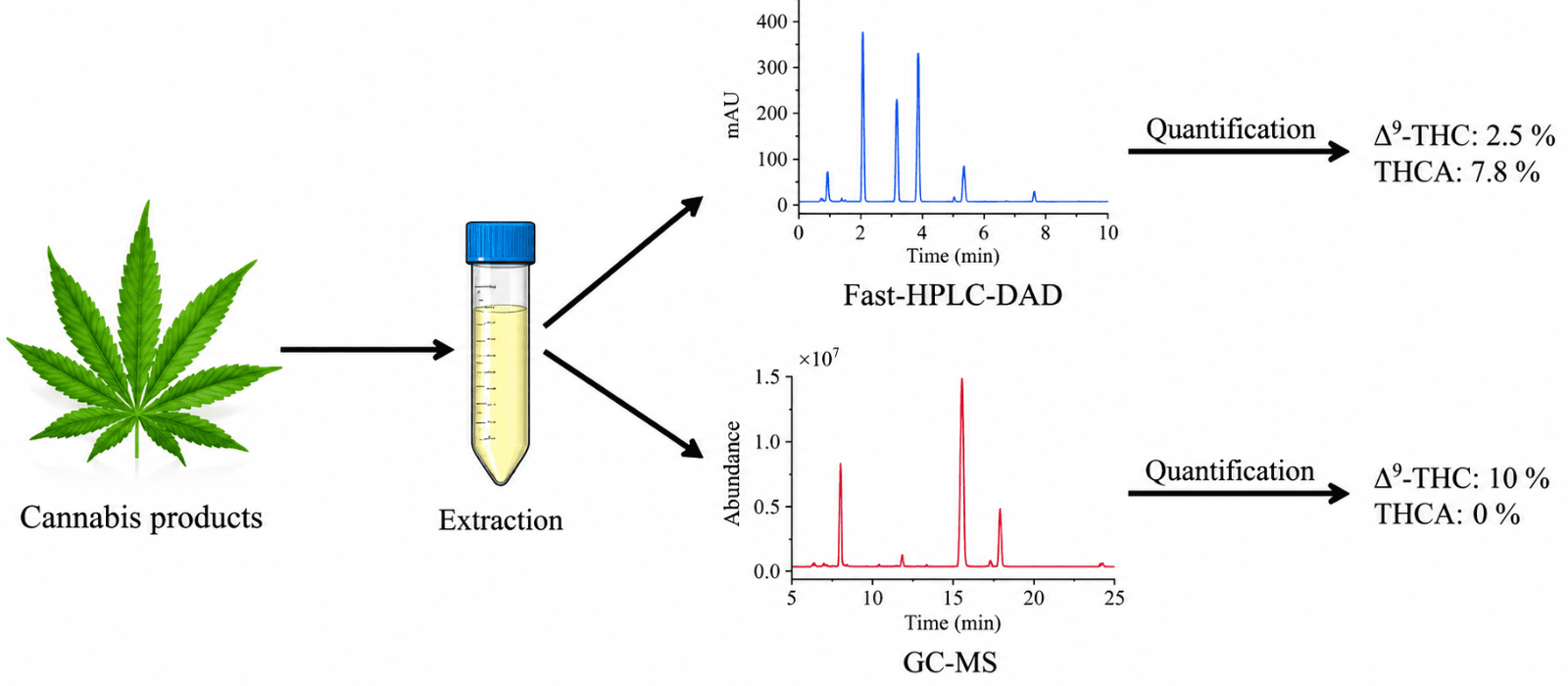
THCA is a naturally occurring cannabinoid found in raw cannabis. It is the acidic precursor to THC and has a different chemical structure from delta 9 THC.
This makes THCA particularly interesting within the modern cannabis market. THCA can be found in raw cannabis flowers and other cannabinoid products before they are exposed to heat.
When THCA is heated, it undergoes decarboxylation and can convert into delta 9 THC. This means that raw THCA and heated cannabis can have very different chemical profiles.
THCA as a Cannabis Alternative
THCA has become an increasingly popular cannabis alternative because it occurs naturally in raw cannabis. Products containing THCA can be presented as raw cannabinoid products rather than traditional high THC cannabis.
The distinction between THCA and THC is important. THCA is not simply another name for THC. It is the acidic precursor that can become THC through heating.
This is why THCA has become an important part of the modern legal cannabis discussion in Europe, particularly among consumers interested in hemp, cannabinoids and new cannabis alternatives.
THCA Products
THCA is available in several different formats, giving consumers different ways to explore the cannabinoid category.
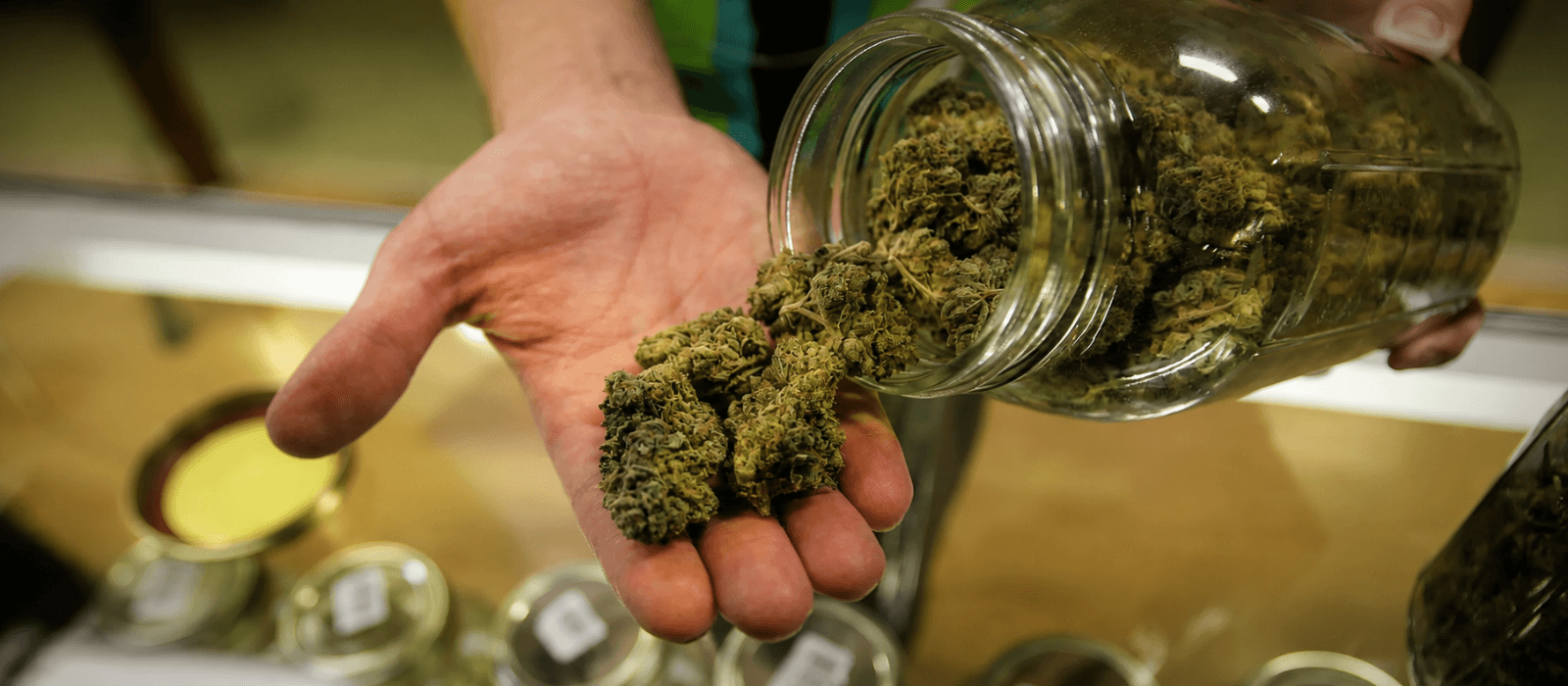
THCA Buds are cannabis or hemp flowers naturally containing THCA. THCA Hash is a more concentrated form made from cannabis or hemp material. THCA Extracts contain concentrated cannabinoids, while THCA Pre Rolls provide a ready made flower format.
These products all focus on THCA in its raw form before heating. Because THCA can convert into THC when heated, the difference between the raw product and the heated product is an important part of understanding THCA.
The Future of Legal Cannabis in Europe
The European cannabis and hemp industry continues to develop as consumers become more interested in individual cannabinoids and new hemp based products.
The European Commission reports that hemp cultivation has expanded considerably in recent years and that hemp is used across industries including textiles, construction, paper, food, cosmetics and other applications.
THCA is part of this broader development. As interest in cannabinoids continues to grow, understanding the difference between hemp, THC and THCA will become increasingly important for consumers and businesses across Europe.
Conclusion
Legal cannabis in Europe is closely connected to the development of industrial hemp and low THC cannabis products. The EU agricultural framework currently uses a 0.3 percent THC threshold for qualifying hemp varieties.
THCA represents another interesting part of the modern cannabis market because it naturally occurs in raw cannabis and can become THC when heated. Understanding this difference is essential when exploring the growing world of legal cannabis, industrial hemp and cannabinoid products in Europe.